Thinking about selling in Morningside/Lenox Park and wondering what your home could fetch right now? You are not alone. Pricing right is the biggest lever you control, and it starts with a clear, data-backed view of value. In this guide, you will learn what a Comparative Market Analysis is, how the best agents build one for Morningside, and what to provide so you get a precise price range and a smart strategy. Let’s dive in.
What a CMA is and why it matters
A Comparative Market Analysis, or CMA, is an agent-prepared estimate of your home’s current market value. It uses recent sales of similar properties, current active and pending listings, and local market trends. A CMA helps you set a list price, plan prelist improvements, and negotiate with confidence.
A CMA is not a licensed appraisal. Appraisals are performed by certified appraisers and are required for loans and some legal matters. Your CMA is a market-facing estimate built from MLS data, public records, and neighborhood expertise. Used well, it anchors your pricing and your go-to-market plan.
How a Morningside CMA is built
A strong CMA for Morningside/Lenox Park relies on local, verified data. Agents typically pull sold and active listings from Georgia MLS, cross-check with Fulton County tax and permit records, and apply neighborhood knowledge to select the most relevant comparables.
Start with the right comps
Professionals prioritize sales from the last 3 to 6 months, expanding to 12 months only if inventory is tight. The goal is to stay within Morningside/Lenox Park or the closest adjacent pockets, usually within 0.25 to 1 mile. Your home should be compared to similar property types, sizes, and layouts. A classic bungalow is best compared to other bungalows of similar square footage, bedroom and bathroom count, and functional utility.
Adjust for details that matter
No two homes are identical. A CMA uses an adjustment grid to account for differences in living area, lot size, condition, renovations, parking, and location. Adjustments can be dollar-based or percentage-based and should be supported by local paired sales when possible. The goal is to make each comp more apples-to-apples, then triangulate a realistic price range.
Deliver a price range and strategy
A complete CMA includes 3 to 6 primary sold comps plus a few active or pending listings for context. It also provides a suggested list price range, expected days on market, and a recommended pricing strategy based on current supply and demand.
Selecting true comps in Morningside
Morningside/Lenox Park has a distinct housing profile and buyer pool. That means comp selection needs to be careful and precise.
Match style and era thoughtfully
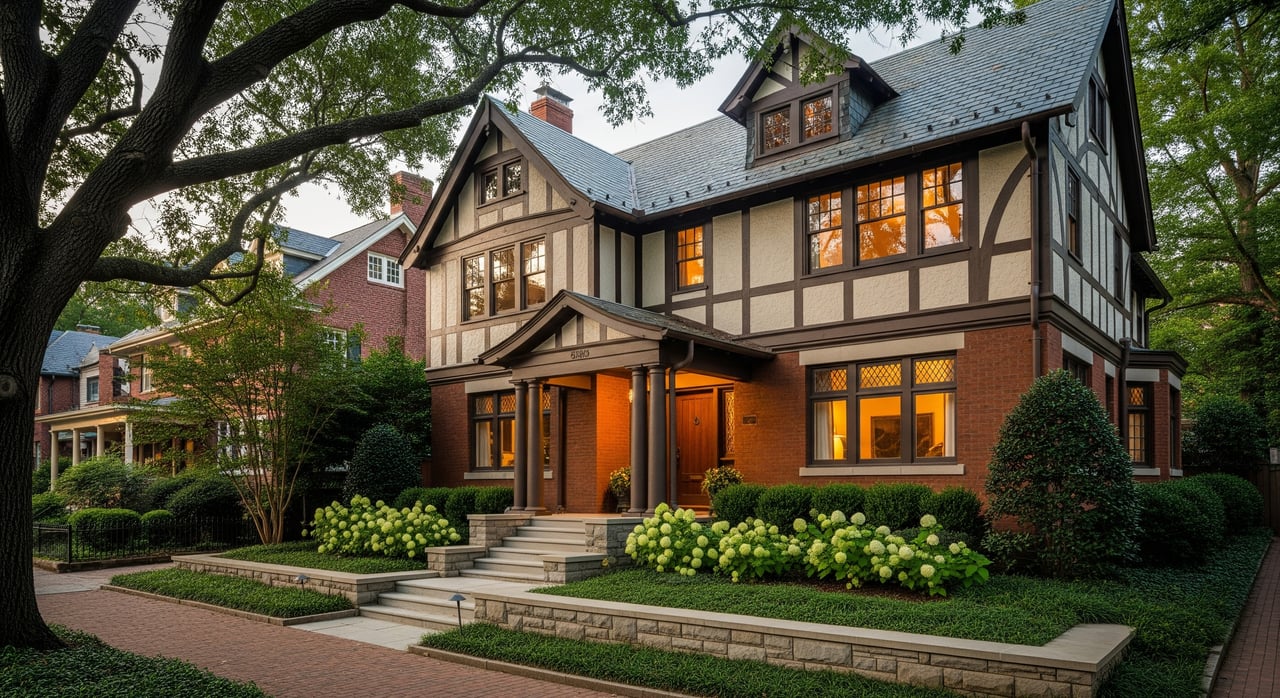
The neighborhood features many early-20th-century bungalows and Craftsman-style homes, along with tasteful additions and some newer infill. Comps should distinguish between preserved bungalows, sensitively renovated homes, and substantially enlarged properties. Mixing original bungalows with modern condos or duplexes will skew value.
Factor lot premiums and micro-location
Lot depth, orientation, and usability matter. Elevated or oversized lots and deep rear yards can add meaningful value. Buyers also respond to walkability and proximity to parks and retail. Being near Morningside Park or neighborhood retail nodes can justify positive adjustments when supported by similar sales.
Weigh renovation quality and permits
Buyers reward homes that combine character with functional updates. A kitchen that was fully modernized and reconfigured for better flow can be more valuable than cosmetic upgrades alone. Documented, permitted additions are easier to price and finance. Unpermitted work often results in discounting or buyer hesitation.
Use current market context
In a tight intown market, fresh pending and active listings can signal demand and help justify a position at the top of a price range. If conditions cool, recent solds and longer days on market guide a more conservative starting price.
How adjustments work in practice
Adjustments bring comps in line with your home’s features. Agents use a mix of methods depending on what the market data supports.
Size and livable area
Dollar-per-square-foot is a common starting point for differences in gross living area, but it must be calibrated to Morningside norms. Finished space that is truly livable counts more than storage or unconditioned areas. Basements or attics only contribute when they meet standards for finished living space.
Kitchens and baths
Kitchen and bath renovations often carry meaningful value in buyer decisions. Where local paired sales exist, agents translate those differences into a market-supported premium. In many cases, major interior renovations fall in a broad range, often estimated at 5 to 15 percent adjustments, but exact figures should be tied to neighborhood sales, not rules of thumb alone.
Additions and layout improvements
Additions such as a new bedroom, bath, or family room are typically valued based on added, permitted square footage and how much utility they create. You rarely recapture every dollar spent on construction, so agents look at local recapture patterns rather than cost alone. Flow, function, and permits matter as much as size.
Historic character, systems, and condition
Preserved millwork, built-ins, and original details can boost appeal to buyers who value authenticity. Updated major systems and roofs help reduce buyer risk. Conversely, dated systems or unpermitted work often trigger negative adjustments or tougher negotiations.
Reality check ranges
Heuristics can help frame expectations, then comps should refine them:
- Minor cosmetic differences: 1 to 5 percent adjustments
- Major interior renovations: often 5 to 15 percent
- Additions: value is tied to added, functional GLA and local recapture
- Lot premiums: vary widely based on usability and micro-location
These are illustrative ranges. Your agent should point to recent local sales to quantify the actual figures.
What to provide for a strong CMA
Help your agent capture the full value of your home by sharing clear, complete information:
- Recent utility bills and property tax info
- Permits for renovations or additions, or any available permit history
- Photos of all major interior spaces and the full exterior, including the yard
- A floor plan or measured square footage for accurate GLA
- A list of upgrades with dates and costs if known
- Any survey or plat showing lot size and setbacks
- Notes on unique features such as off-street parking, a permitted carriage house or ADU, and nearby amenities that influence walkability
What you will see in the CMA
A professional CMA package for Morningside usually includes:
- 3 to 6 primary sold comps, plus 2 to 4 actives or pendings for context
- An adjustment grid that explains every major difference and dollar or percentage impact
- A recommended list price range with a positioning strategy
- Market context on inventory, days on market, and buyer demand signals
- Suggestions for prelist repairs, staging, or small updates that could increase net proceeds
Smart questions to ask your agent
Before you set a price, ask for clarity:
- Which sold comps carry the most weight and why?
- How were adjustments calculated: paired sales, dollar-per-square-foot, or percentage methods?
- How does the price range reflect today’s active and pending competition?
- Did any seller concessions or atypical conditions affect the comps’ sale prices?
- Will you update the CMA if the market shifts before we list?
Pricing strategy in a tight intown market
When supply is low and demand is strong, sales may show higher sale-to-list ratios. You can consider pricing near the top of the supported range and preparing for quick interest. If the market is cooling, a conservative initial price can reduce days on market and protect momentum.
You can also stage your launch. Some sellers choose to price in a way that invites more showings in the first week, then let the market set the pace. Others aim at the high end of the range and accept a longer runway. Your CMA and your agent’s read on current activity should guide the call.
The Hinsons’ data-backed valuation process
A clear process helps you move from estimate to outcome:
Preparation. Gather the documents and photos listed above and schedule a property visit. On-site observation verifies condition, layout, and lot utility.
CMA package. Ask for a packet with primary sold comps, an adjustment grid with rationale, relevant active and pending listings, a suggested price range, and a prep checklist with timelines.
Clarify the tough parts. Request an explanation of how permitted versus unpermitted work was handled, how additions were counted in GLA, and how lot premiums were calculated.
Ongoing updates. If a new comp goes under contract nearby or a notable listing changes price, ask for a quick CMA refresh before going live.
With thoughtful comp selection, transparent adjustments, and premium presentation, you can price with confidence and sell on your timeline.
If you are ready to see where your Morningside home stands today, connect with the family-led team that pairs neighborhood insight with financial rigor. Reach out to The Hinsons to Get Your Free Home Valuation and a tailored plan to win the market.
FAQs
What is a CMA for Morningside sellers?
- A CMA is an agent-prepared estimate of your home’s current market value based on recent local sales, active and pending listings, and neighborhood trends.
How are comps chosen in Morningside/Lenox Park?
- Agents prioritize recent sales within the neighborhood or within 0.25 to 1 mile, matching property type, size, lot, and condition for the closest apples-to-apples comparison.
How do renovations affect my CMA value?
- Renovations like updated kitchens and baths can add measurable value when supported by local comps, while cosmetic updates usually lead to smaller adjustments and faster saleability.
How are lot premiums valued in this neighborhood?
- Lot value is driven by usable size, orientation, and micro-location; agents rely on paired local sales to estimate dollar premiums rather than a simple price per square foot.
What happens if my addition was not permitted?
- Unpermitted work reduces the buyer pool and can complicate financing; expect discounting or delays unless you can address permits before listing.
Why might my CMA and an appraisal differ?
- Appraisers follow formal standards for lending, while agents build CMAs for pricing strategy; both use market data, but their methods and purposes are different.