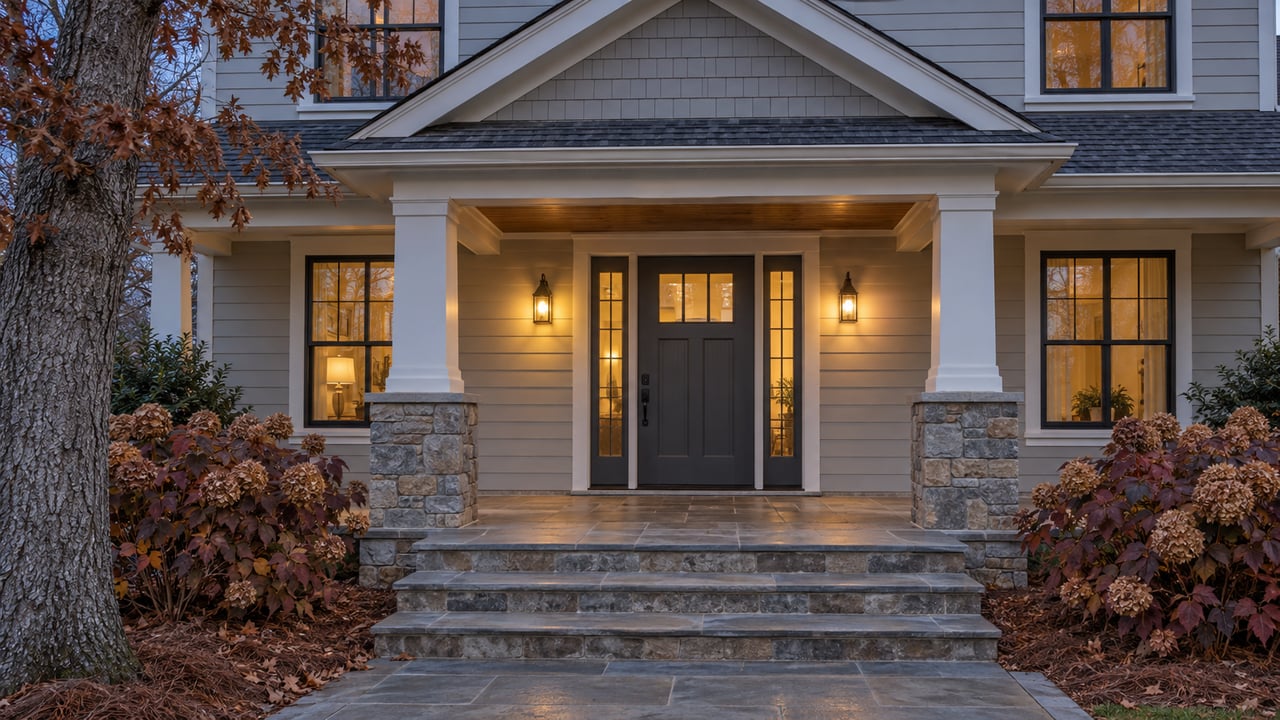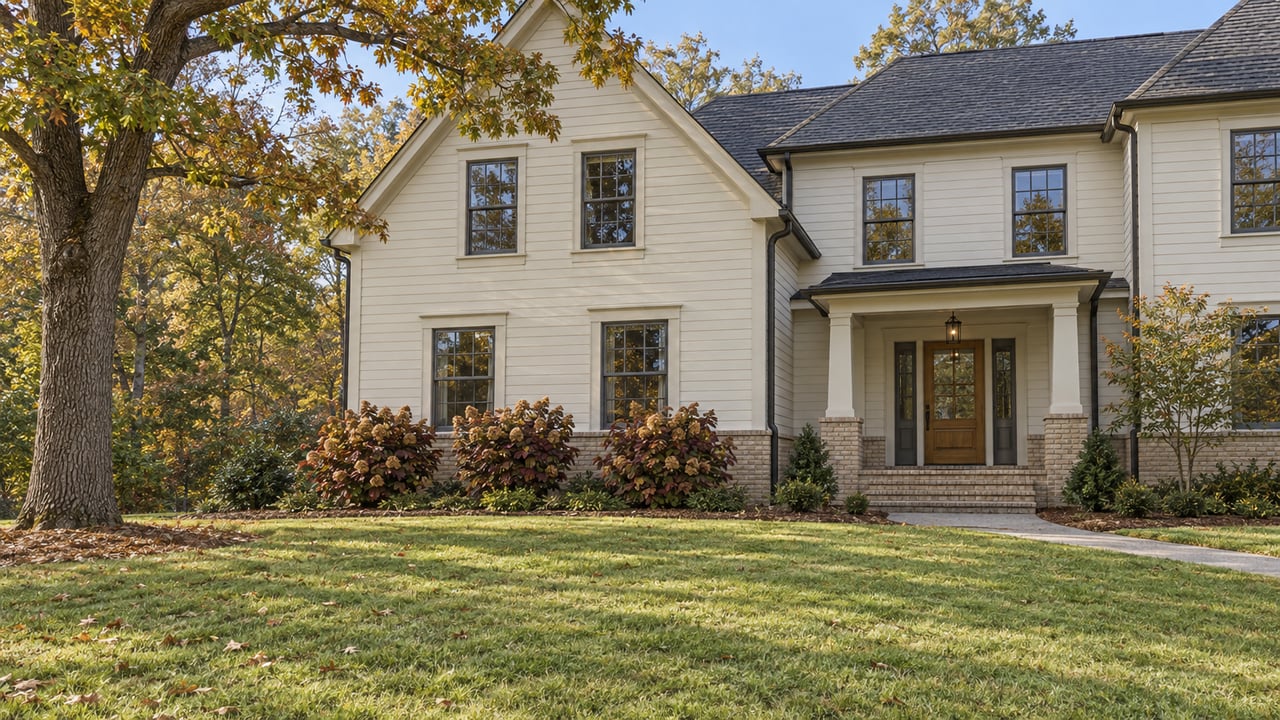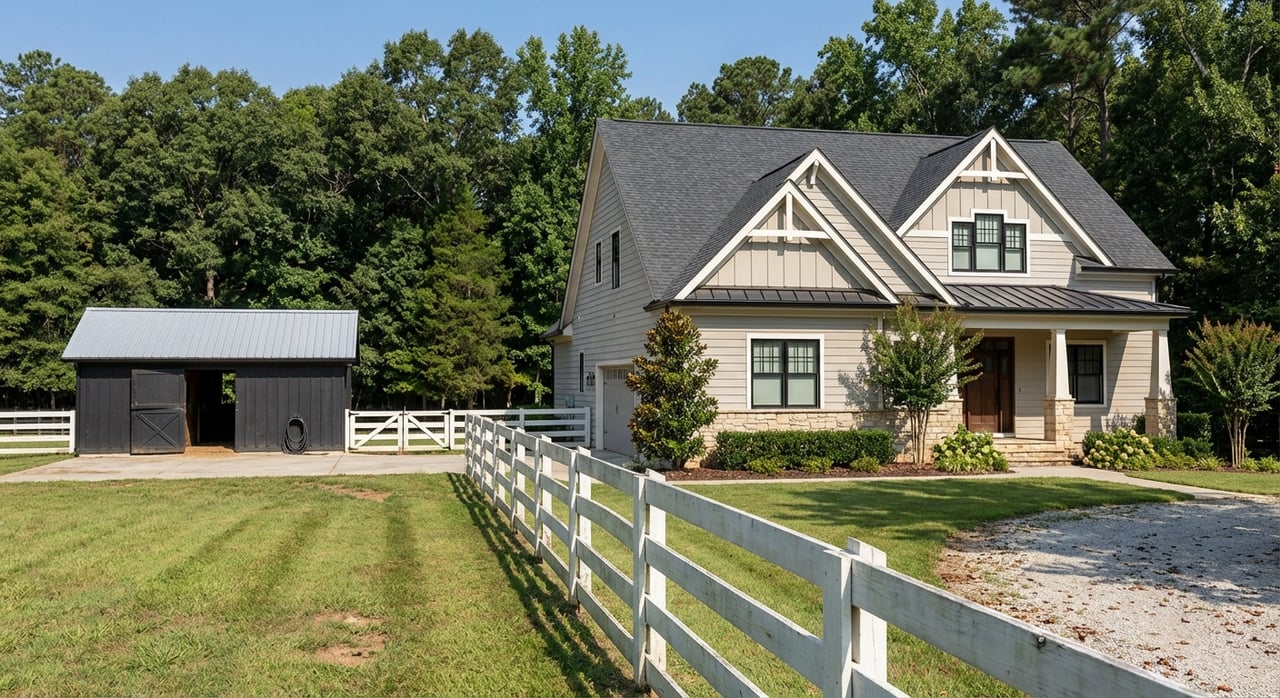
Craving more space, pasture, and privacy without giving up Greater Atlanta? If you picture quiet mornings, room for horses, and a house that feels like a retreat, Milton might be the lifestyle you want. You also want the facts on zoning, utilities, upkeep, and commute realities before you buy. This guide breaks down what estate and mini-farm living in Milton really looks like so you can move forward with confidence. Let’s dive in.
Milton at a glance
Milton sits about 30 miles north of downtown Atlanta and is known for rolling hills, horse farms, and a protected rural feel. The city was incorporated in 2006 and has a 2020 population of roughly 41,000. Much of Milton’s land is planned to preserve larger lots and equestrian uses, which is a big reason the estate lifestyle is possible here. You get a country vibe with access to suburban conveniences nearby.
For context on location and character, see the overview of Milton on the city’s Wikipedia page. It captures the blend of semi-rural and suburban life that defines the area. You can review the summary at the start of the entry for a quick backdrop to this guide.
- Source: Milton, Georgia overview
Land and lot sizes
When people say “estate” or “mini-farm” in Milton, they usually mean properties with acreage that supports pasture, barns, and extra outbuildings. In practice, you will see common ranges by use case. Mini-farm parcels often run about 1 to 6 acres and are popular because they are easier to maintain. Mid-size estates land around 6 to 20 acres, and larger hobby or working farms exceed 20 acres but appear less often inside city limits.
A key reason these options exist is the city’s AG-1 zoning and related rural districts. Many AG-1 areas have minimum lot sizes at or near 1 acre. The city has also discussed text updates on small hobby farms and accessory structures to protect rural character. For current rules and parcel-by-parcel verification, start with Milton’s Community Development zoning page and recent city updates on AG-1 and related text amendments.
Homes and outbuildings
Homes on acreage in Milton often include farmhouse and European-inspired designs, traditional brick Georgian or Colonial styles, and custom estates. Floor plans trend large, with many main houses in the 3,500 to 8,000 square foot range and frequent finished terrace levels. Accessory buildings are part of the story. You will commonly see carriage houses, guest cottages, multi-stall barns, equipment sheds, and heated garages.
If you keep animals or need workspace, plan how outbuildings fit into your daily routine. Think about equipment storage, trailer access, and safe circulation around the property. A good site plan balances pasture, paddocks, and structure placement for both function and privacy.
Equestrian features
Milton mini-farms and estates often include equestrian infrastructure. Typical features include 2 to 8 stall barns, fenced pastures, run-in shelters, wash racks, tack rooms, and hay storage. Some properties include covered or outdoor arenas and multiple paddocks for rotation.
Community support matters too. Nearby Wills Park Equestrian Center in Alpharetta hosts many events each year and serves as a regional anchor for riders and families. You can learn more about the facility’s role in local programming in the city plan materials that reference it, including the Recreation and Parks Master Plan.
Zoning and permits
Zoning and permitting guide what you can build and where you can keep animals. Milton’s AG-1 and related rural districts are intended to preserve larger lots and equestrian uses. If you are shopping, confirm the exact zoning category for any parcel and request a Zoning Certification Letter from the city. Start with the city’s official zoning and land use page to understand the framework and contacts.
Milton also manages agricultural-use exemptions and has discussed clarifications at recent meetings. These policies can change, so verify exemptions with City staff before you assume any tax or regulatory relief. For background on how the city approaches one-acre minimums and rural character, review this city update on AG-1 and text amendments.
Barns, fences, and setbacks
Where you place barns, paddocks, and arenas matters. Milton updates fence definitions and animal-housing standards from time to time, which affects setbacks and siting near property lines and rights-of-way. Before you add or modify structures, check for overlay districts, deed restrictions, and any HOA conditions. The city’s resource hub on fence and accessory structure topics is a helpful starting point: Milton fence and accessory guidance.
Septic and wells
Many acreage properties in Milton use private wells for water and septic systems for wastewater. Plan to inspect both systems during due diligence and budget for periodic maintenance or upgrades. If you plan additions, new barns with wash racks, or guest houses, capacity and permitting will be key.
On-site sewage and well construction fall under Georgia and county public health rules. Before you assume a system can support more fixtures, confirm with the Fulton County Board of Health and review the applicable state rules. The state’s onsite sewage management regulations are outlined here: Georgia onsite sewage management rules.
Utilities and broadband
Utility availability varies by parcel. Properties near commercial nodes such as Crabapple or Highway 9 corridors are more likely to have access to municipal services, while deeper rural lots often rely on well and septic. Confirm power, water, and sewer options early in your evaluation. A quick call with providers can save surprises later.
Broadband is essential for work and school. Fiber and cable options are available in many parts of Milton, and AT&T lists active fiber service in the city. Coverage is still address specific, so run a provider scan for any property you are considering. You can check current fiber availability here: AT&T Fiber in Milton.
Everyday lifestyle
Estate living in Milton pairs quiet, natural surroundings with local conveniences a short drive away. You will find everyday services and dining in and around Crabapple, plus seasonal outings like Scottsdale Farms and Painted Horse Winery. A weekend farmer’s market and small-town events round out the rhythm of life.
For a flavor of the area’s appeal, Southern Living’s feature on Milton highlights the balance of pastoral views and community touchpoints that draw people north. Explore that overview here: Southern Living on Milton’s appeal.
Commuting to downtown Atlanta is a trade-off. The distance is about 30 miles and many drivers use GA-400 via neighboring corridors. Plan for a window rather than a fixed time, since traffic shifts by day and route. The Milton, Georgia overview gives quick geographic context as you plan your daily routine.
Schools and boundaries
Milton is served by Fulton County Schools, with Cambridge High School among the public options for parts of the city. Always confirm attendance zones by address, since boundaries can change and vary by street. You can start with Cambridge’s site for general information: Cambridge High School.
Private school options are also nearby. Families often weigh drive times, program fit, and after-school activities alongside housing choices. Keep those factors in mind when you map your daily life.
Costs and upkeep
Acreage comes with ongoing maintenance. Expect regular fence repairs, pasture care, arena grooming, and manure management if you keep horses. You will also manage hay supply and storage. For equestrians, national industry summaries often cite several thousand dollars per horse per year, with some overviews landing near 7 to 8 thousand for a recreational horse, depending on feed, farrier, veterinarian, and boarding choices. See an industry roundup for context: equine sector cost overview.
Property taxes and insurance are part of the picture. Larger parcels and higher assessed values can increase taxes relative to smaller-lot homes. If you keep animals, speak with your insurer about appropriate coverage, including umbrella policies. Ask your agent to help you estimate taxes for any short list of properties.
Market snapshot
Estate properties in Milton tend to command a premium due to land, privacy, and specialized features. As of mid to late 2025, Zillow’s local home-value index for Milton showed a typical value near 900 thousand to 940 thousand, while Realtor.com snapshots showed median listing prices around 1.3 to 1.4 million. Numbers vary by month and by which metric you use. When you compare options, look at land size, usable pasture, accessory buildings, and recent local comps rather than just price per square foot.
Key trade-offs
- Space and privacy vs convenience: Larger lots offer more room for animals and outbuildings, but you will take on more maintenance and may be on well and septic. Traditional suburbs nearby often have smaller lots, sidewalks, and public sewer and water. Consider how you actually live day to day.
- Community and amenities: Estate life can be social through barn communities, local shows, and regional equestrian circuits. Subdivision HOAs often center around pools, playgrounds, and clubs. Choose the setting that fits how you like to spend your time.
- Resale dynamics: Larger, highly customized farms are special-use assets with fewer close comparables, which can affect time on market. Subdivisions often have more frequent comps and quicker turnover, but they rarely offer scope for horses or expansive outbuildings.
Buyer checklist
Use this quick list to evaluate any Milton estate or mini-farm:
- Confirm parcel zoning and any overlay conditions, and request a Zoning Certification Letter from the city. Start here: City of Milton zoning.
- Review rules for barns, fences, setbacks, and animal housing, and check for HOA or deed restrictions. See city guidance: fence and accessory info.
- Verify utilities: public water and sewer vs private well and septic. Get well and septic inspection reports and confirm capacity if you plan additions. Review state onsite rules: Georgia onsite sewage.
- Run a broadband check by address for fiber or cable, and identify fixed wireless or satellite fallbacks. Start with AT&T Fiber in Milton.
- Map daily life: distance to your work corridors, grocery and farm supply runs, vet and farrier access, and trailer logistics.
- Check school assignments for your exact address and confirm after any contract changes. See Cambridge High School as a regional reference point.
- Budget for upkeep: fencing, pasture care, hay, farrier, veterinarian, routine barn repairs, and appropriate insurance. See the equine cost overview for order-of-magnitude planning.
How we help
Buying an estate or mini-farm is part home search and part site planning. You deserve a team that knows the zoning, reads surveys and plats with care, and negotiates from real numbers. The Hinsons combine multi-generational local expertise with negotiation and inspection-level guidance so you understand what you are buying and how to protect your investment. If you are weighing Milton acreage, reach out for a focused plan and a calm, data-driven path to closing.
Ready to explore Milton estates with a trusted local team? Connect with The Hinsons to discuss your goals and next steps.
FAQs
What does a “mini-farm” in Milton mean?
- In Milton, mini-farms often span about 1 to 6 acres, with room for small barns, paddocks, and usable pasture, depending on the parcel’s layout and zoning.
Can I keep horses on a one-acre Milton lot?
- Some AG-1 areas note one-acre minimum lot sizes, but setbacks, pasture needs, and accessory-structure rules make one acre tight for multiple horses, so confirm parcel-specific code with the City of Milton first.
Do many Milton estate properties have HOAs?
- Many acreage parcels are standalone or in low-control associations, though some clustered estate communities may have HOAs, so always verify on each listing and with the seller.
How reliable is broadband on acreage in Milton?
- Coverage is address specific: many areas have fiber or cable, while deeper rural parcels may rely on fixed wireless or satellite, so run a provider check early in due diligence.
What inspections should I order for a Milton estate?
- In addition to a standard home inspection, plan for well and septic inspections, barn and outbuilding checks, and a survey review to confirm setbacks, easements, and build areas.
How far is Milton from downtown Atlanta?
- Milton is about 30 miles north of downtown, and most commuters plan for a drive-time window that changes with route and traffic rather than a fixed number of minutes.