Wondering whether it makes more sense to rent or buy near Emory? You are not alone. If you are comparing monthly costs around Emory Grove and nearby Druid Hills areas, the answer is rarely as simple as rent versus mortgage. The good news is that a little housing math can bring the decision into focus. Let’s dive in.
Why this decision is different near Emory
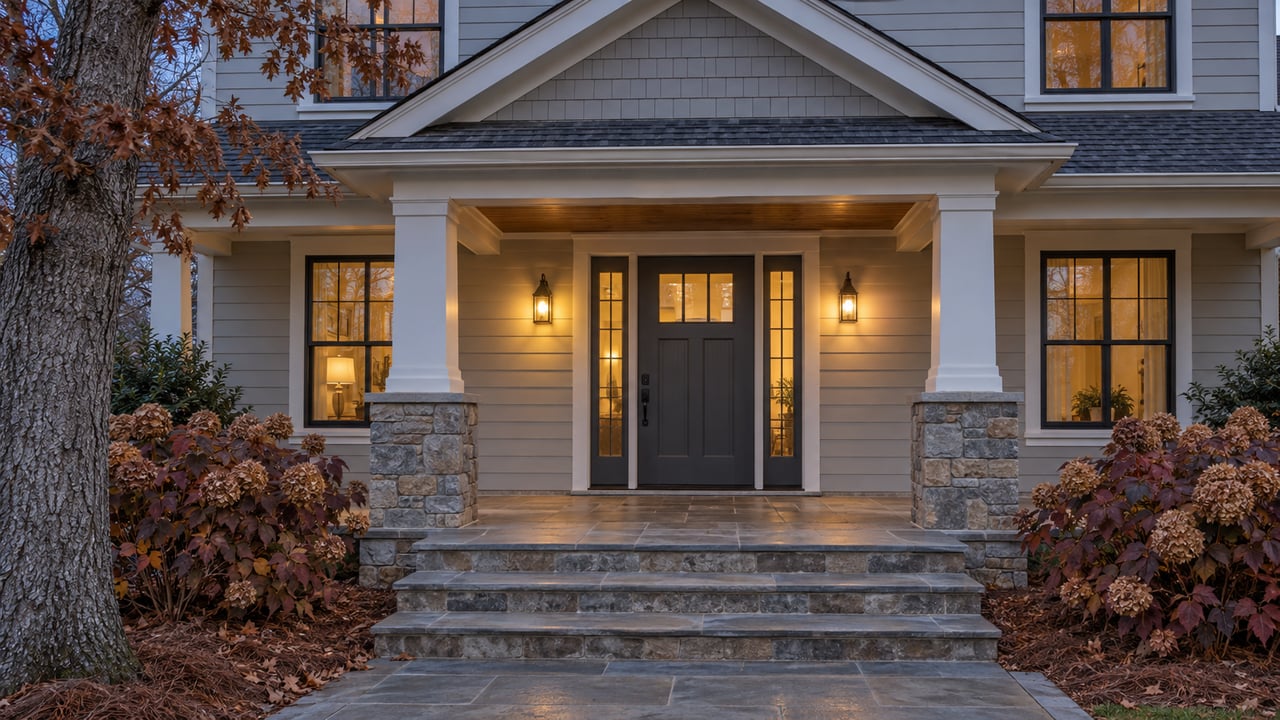
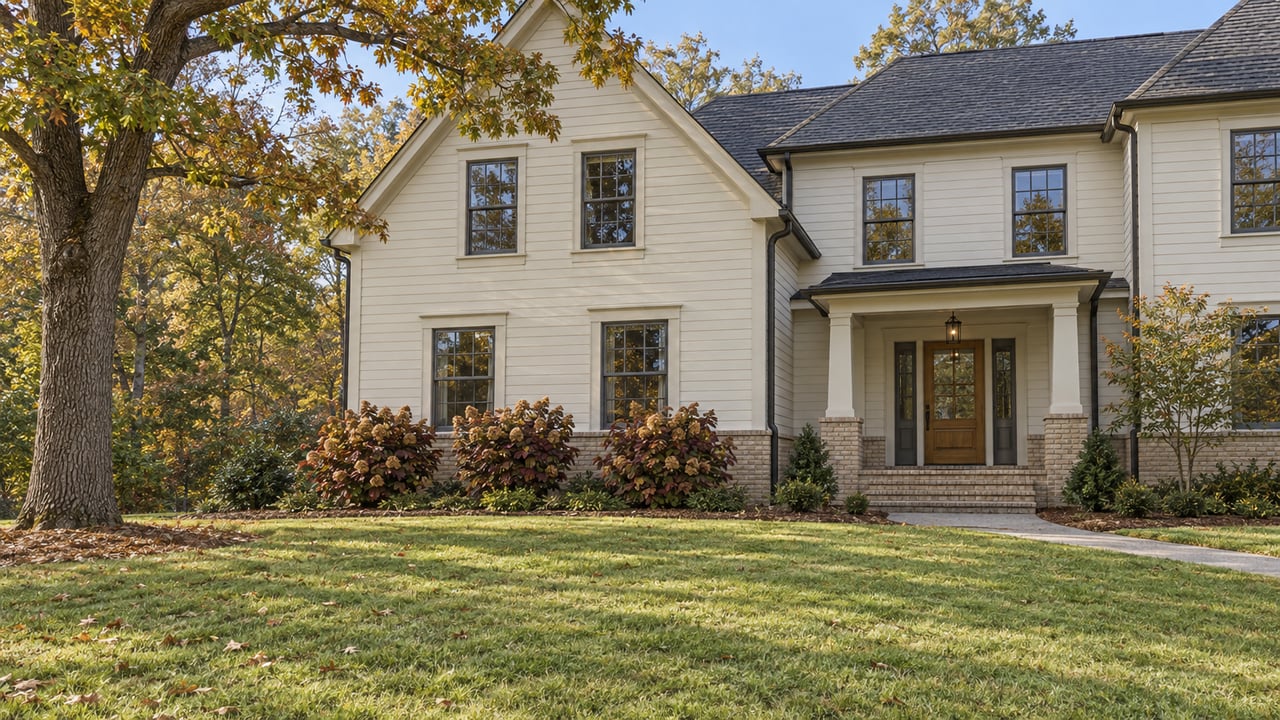
Emory Grove is not a typical apartment-heavy campus area. It is a small neighborhood near Emory’s Atlanta campus with early-1940s single-family detached homes, narrower streets, limited on-street parking, and three interior park spaces.
That matters because your housing choices near campus often involve very different property types. Instead of comparing one apartment to another, you may be weighing an apartment, a shared rental house, or an older detached home with its own upkeep and parking considerations.
What housing options exist near Emory
Emory says it does not manage off-campus housing directly, but it does provide an off-campus listing resource. Graduate and professional students also now have The Ridge, which opened in August 2024, along with Campus Crossings Briarcliff as housing options.
The off-campus market itself is broad. Emory’s listing portal currently shows 2,087 rentals near the university overall, including 127 rentals in Toco Hills and 55 rentals under a house filter.
Current examples show just how varied the market can be. Listings include a 1-bedroom about 0.3 miles away for $1,560, a 2-bedroom about 1.9 miles away for $1,650, a 3-bedroom about 1.4 miles away for $3,500, and a 4-bedroom house about 1.1 miles away for $4,750.
Takeaway: near Emory, you are not shopping in one rental market. You are choosing among several overlapping markets with different price points, commute patterns, and housing types.
Rent vs buy starts with monthly cash flow
The most helpful comparison is not just monthly rent versus a mortgage payment. A better test is your full monthly cash flow.
For renting, think about:
- Base rent
- Utilities
- Parking costs
- Renter-related moving or setup costs
For buying, think about:
- Mortgage principal and interest
- Property taxes
- Homeowners insurance
- Mortgage insurance if your down payment is under 20%
- Maintenance and repairs
- Parking or commuting costs
- Upfront closing costs
That fuller view matters in the Emory area, where older housing stock and transportation choices can change your monthly budget more than you might expect.
What the local numbers suggest
Nearby Census figures show that owner-occupied housing near Emory is materially more expensive than DeKalb County overall. Druid Hills has a median owner value of $793,200 and a median gross rent of $2,022. North Druid Hills shows a median owner value of $515,900 and a median gross rent of $1,874. By comparison, DeKalb County overall is lower at $357,800 for median owner value and $1,692 for median gross rent.
Using a 30-year fixed mortgage rate snapshot of 6.49% from July 9, 2026, the principal and interest on a home at North Druid Hills’ median value, with 20% down, works out to about $2,606 per month. At Druid Hills’ median value, the same setup works out to about $4,007 per month.
Those estimates are only principal and interest. They do not include taxes, insurance, maintenance, HOA dues if applicable, or parking.
The down payment gap is real
Monthly payment is only part of the story. The cash needed to buy can be a major hurdle.
At the North Druid Hills median value of $515,900, a 20% down payment is about $103,180. At the Druid Hills median value of $793,200, a 20% down payment is about $158,640.
For many buyers, that is the deciding factor. Even if you can afford the monthly payment, tying up that much cash may not fit your current plans.
Closing costs add to the buy side
Buying costs more than the purchase price. Buyer costs can include loan-related fees and real estate transaction costs such as appraisal fees, title insurance, government taxes, prepaids, and other closing expenses.
If your down payment is under 20%, mortgage insurance is also commonly required. That means the real monthly and upfront cost of buying is often higher than first-time comparisons suggest.
Property taxes vary more than many buyers expect
In DeKalb County, property taxes are not one-size-fits-all. The 2025 millage schedule shows different total rates depending on whether a property is in unincorporated DeKalb, the City of Atlanta, or the City of Decatur.
That means two homes near Emory can have meaningfully different carrying costs. If you are running the math, you need the exact parcel and tax setup, not just the sale price.
There are also rules around homestead exemptions. In DeKalb, the basic homestead exemption requires the home to be your primary residence, and eligibility is tied to items like vehicle registration and tax filings from that address.
Commuting and parking belong in the equation
A lot of people underestimate transportation costs near Emory. Campus access can be manageable without a car, but you need to understand the system.
Emory notes that MARTA offers train and bus service, but many riders still need a bus or ride service from the nearest train station to reach campus. Emory transportation resources show MARTA routes 11, 15, and 17 serving the Clifton corridor, plus shuttle connections between main campus, Briarcliff and LaVista areas, and the Decatur rail station.
SafeRide also provides free on-demand service on the Clifton campuses from 9 p.m. to 5 a.m. daily. For some renters and buyers, that can reduce the need to pay for parking every month.
If you do drive, parking is a real budget item. Emory’s current parking information shows commuter graduate and professional student parking at $7 per day capped at $100 per month or $400 per semester, with a Blue Parking Permit program as well.
Why older homes can change the math
In Emory Grove, the neighborhood character is part of the appeal. The homes are generally older detached houses on relatively generous lots, often around 1,100 to 1,800 square feet, with typical lots around 65 by 175 feet.
But older homes often come with more maintenance uncertainty than newer apartments or recently built housing. Even if the purchase price works on paper, your real monthly ownership cost should leave room for repairs, systems updates, and general upkeep.
That does not mean buying is a bad idea. It simply means your budget should reflect the actual housing stock in the area.
When renting may make more sense
Renting often works better if your stay near Emory is short or uncertain. It can also be the better fit if you want flexibility, lower upfront cash needs, or less responsibility for maintenance.
You may lean toward renting if:
- You expect to stay only a few years
- Your job, program, or family plans could change soon
- You want to preserve cash instead of making a large down payment
- You are still learning which nearby area fits your routine best
- You want to avoid repair costs on older homes
In the Emory area, renting can also let you test commute patterns, parking needs, and housing types before making a longer-term commitment.
When buying may make more sense
Buying may become more plausible if you expect to stay longer and you are comfortable with the higher upfront and monthly costs. It can also make sense if you want more control over your space and are prepared for the realities of ownership.
You may lean toward buying if:
- You plan to stay for the long term
- You have enough cash for down payment and closing costs
- You are comfortable with maintenance and repair risk
- You want a detached home environment near campus
- You value stability more than flexibility
The key is not whether buying is cheaper on day one. Near Emory, it often is not. The better question is whether ownership fits your time horizon and your financial comfort level.
A simple framework for your Emory decision
If you are deciding between renting and buying near Emory, start with these four questions:
How long will you stay?
Short or uncertain stays generally favor renting. Longer stays give buying more time to make sense.
How much cash do you want tied up?
Buying may require a six-figure down payment in nearby areas based on current median values. Renting usually preserves more cash for other goals.
How important is flexibility?
If your plans may shift, renting gives you more room to adjust. Buying works better when your routine, budget, and location needs are more settled.
Can your budget handle the full ownership cost?
Do not stop at principal and interest. Include taxes, insurance, maintenance, parking, and closing costs when comparing your real monthly housing cost.
The bottom line near Emory
Near Emory Grove, the housing math usually points to one clear truth: buying is often a premium choice, not the cheaper monthly option. With nearby median home values producing principal-and-interest payments that already exceed nearby median rents, the decision often comes down to your timeline, cash reserves, and tolerance for ownership costs.
If you need flexibility or expect a shorter stay, renting may be the cleaner financial move. If you plan to stay longer and want the benefits of ownership in a campus-adjacent neighborhood, buying can still be worth exploring, but only with a full, realistic budget.
If you want help comparing specific neighborhoods, homes, or monthly payment scenarios around Emory and intown Atlanta, The Hinsons can help you make a smart, numbers-driven decision.
FAQs
What is the typical housing stock near Emory Grove?
- Emory Grove is primarily made up of early-1940s single-family detached homes, often around 1,100 to 1,800 square feet on lots of roughly 0.3 acre.
Are there many rental options near Emory University?
- Yes. Emory’s off-campus listing resource shows a large mix of nearby rentals, including apartments and houses, with very different prices depending on size and distance from campus.
Is buying near Emory usually cheaper than renting each month?
- Based on nearby median values and rents, principal and interest alone on a purchase can already exceed nearby median rents before adding taxes, insurance, maintenance, and other ownership costs.
Do parking costs matter when comparing renting and buying near Emory?
- Yes. If you drive to campus, parking can become a meaningful monthly expense, so it should be included in your rent-versus-buy budget.
Why do property taxes vary near Emory in DeKalb County?
- DeKalb tax rates vary by jurisdiction, including unincorporated DeKalb, the City of Atlanta, and the City of Decatur, so exact carrying costs depend on the specific property.
What is the best deciding factor for renting or buying near Emory?
- Your time horizon is usually the most important factor. Short or uncertain stays often favor renting, while longer stays can make buying more worth considering if your budget supports it.