If you are moving to Emory for a new faculty or staff role, your housing search can feel simple at first and complicated fast. You want a manageable commute, the right home for your budget and timeline, and a neighborhood that fits how you actually live day to day. The good news is that the Emory area gives you several strong options, from walk-close historic homes to more budget-conscious rentals and car-light pockets near shuttle connections. Let’s dive in.
Start With the Emory-Area Map
One of the first things to know is that Emory University’s main campus sits in Druid Hills, not in a standalone downtown district. According to Emory’s official directions page, campus is about 15 minutes from downtown, Midtown, and Buckhead, but it is not directly on MARTA rail.
That matters because your commute planning should go beyond simple drive times. If you want to rely less on a car, it helps to focus on areas with shuttle access, bus connections, or easy access to Decatur Station and nearby corridors.
The “Emory Grove” name can also be a little confusing if you are relocating from outside Atlanta. The National Park Service describes Emory Grove as a roughly 90-acre historic residential district between Emory University and Decatur, developed mainly from 1939 to 1941.
Why Emory Grove Gets Attention
If your goal is to live very close to campus, Emory Grove is one of the most natural places to start. It sits in that seam between Emory and Decatur, and its close-in location makes it especially appealing for faculty and staff who want to cut down commute time.
The district is organized around streets like Princeton Way, Westminster Way, and Edinburgh Terrace, with some homes along North Decatur Road. In practical terms, that means you can focus your search on a short list of street names instead of trying to learn all of intown Atlanta at once.
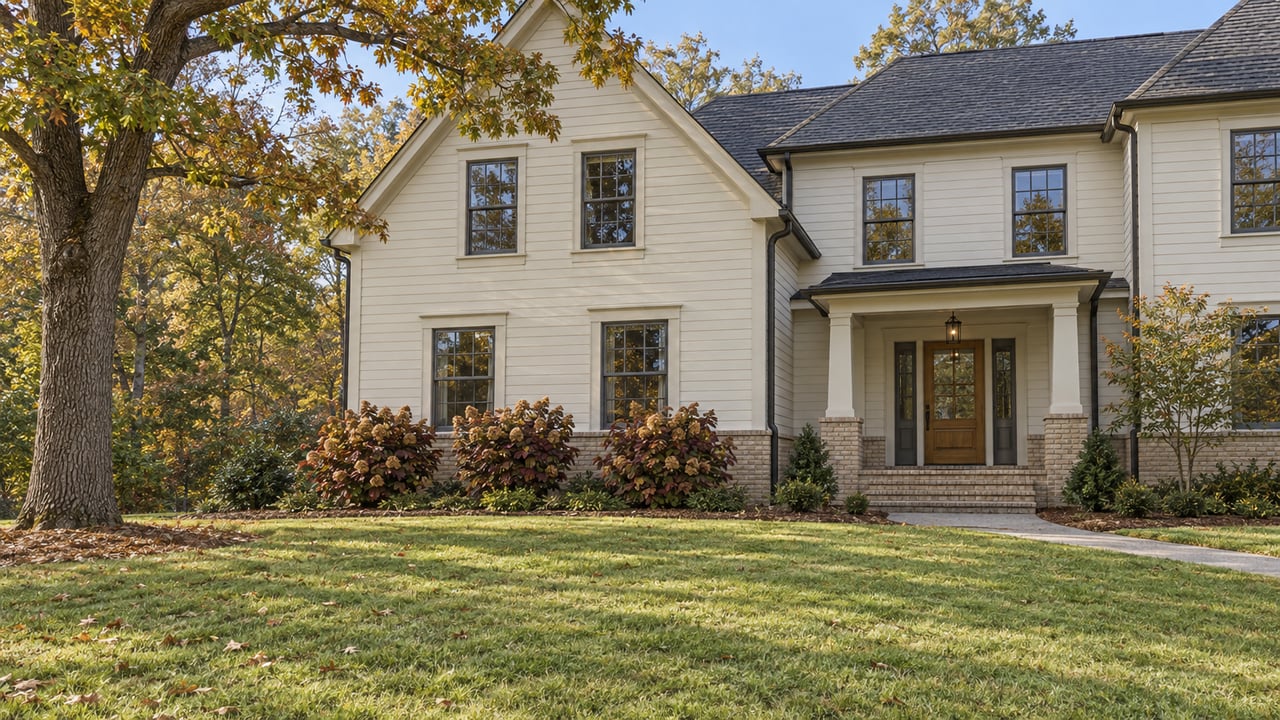
Because Emory Grove is a historic district with smaller lots and established homes, inventory may feel more limited than in larger apartment-heavy areas. If you like older housing stock, neighborhood character, and quick campus access, it is worth watching closely.
Best Areas for Faculty and Staff
If you are a brand-new Emory hire, a few nearby areas stand out as the best first-pass search zones. These locations combine relatively easy campus access with housing types that fit a range of budgets and move timelines.
Emory Grove and Druid Hills
Emory Grove and the broader Druid Hills area are the closest-in choices for many buyers and renters. Emory’s own area guide places Druid Hills about 5 to 10 minutes from campus and notes a mostly residential setting with some apartment complexes and duplexes.
This is often the right fit if your top priority is proximity. It can also be one of the pricier close-in options, especially if you want more space or a detached house.
North Decatur
North Decatur is a practical middle-ground option for buyers who want to stay near Emory without pushing fully into the highest-priced close-in areas. In February 2026, Redfin reported a median sale price of $565,000 in North Decatur.
For many households, North Decatur works well because it balances access and value better than some of the more expensive intown pockets. It is a smart area to consider if you want a short commute but need more flexibility on price.
North Druid Hills and Toco Hills
North Druid Hills, including the Toco Hills and LaVista corridor area, tends to offer more apartments and townhomes. It also gives you easy access to I-85, Buford Highway, and U.S. 23, which can be useful if your routine extends beyond campus.
This area is often a good value play near Emory. In February 2026, Redfin showed a median sale price of $398,500 in North Druid Hills, making it one of the more attainable buyer markets in the close-in Emory orbit.
Decatur and Clairmont
If you want the easiest car-light lifestyle, Decatur deserves a serious look. Emory’s area guide places Decatur about 10 to 15 minutes from campus, and the CCTMA shuttle connection to Decatur Station can make commuting easier.
Downtown Decatur is also one of the strongest options if walkability matters to you. That makes it especially appealing for faculty and staff who want daily conveniences nearby and a little more flexibility around driving.
Intown Lifestyle Areas
Some Emory employees prefer a more classic intown Atlanta feel, even if it means a longer commute. Emory’s guide points to Candler Park, Inman Park, and Morningside-Virginia Highland as options that are generally about 10 to 20 minutes from campus.
These areas can be a fit if neighborhood lifestyle matters as much as campus proximity. Just be prepared for a tradeoff between commute ease and the character of a more established intown setting.
What Housing Costs Look Like
Your budget will likely shape your shortlist quickly, especially near Emory where prices can change a lot from one area to the next. The close-in market spans from condos and townhomes in the mid-$200,000s to mid-$300,000s within a mile of Emory, all the way up to houses in the $700,000s and well over $1 million.
For buyers, February 2026 median sale prices reported by Redfin included:
- North Druid Hills: $398,500
- North Decatur: $565,000
- Decatur: $696,000
- Candler Park: $884,900
- Druid Hills: $1.1065 million
That creates a clear pattern. North Druid Hills and parts of Decatur may offer better value, while Druid Hills, Candler Park, and more walkable close-in pockets generally trade up for proximity, character, and convenience.
What Renters Should Expect
Renting can be the easiest way to learn the area before making a long-term decision. That is especially true if you are new to Atlanta, on a shorter assignment, or unsure how you want to commute.
According to Apartments.com rent trends, March 2026 average rents were:
- Decatur: $1,388 average rent
- North Druid Hills: $1,490 for a one-bedroom
- Druid Hills: $1,802 for a one-bedroom
- Downtown Decatur: $1,775 for a one-bedroom
- Decatur: $1,568 for a two-bedroom
- North Druid Hills: $1,828 for a two-bedroom
- Druid Hills: $2,529 for a two-bedroom
The pattern here is helpful. More walkable and closer-in areas often cost more, while some nearby options give you better monthly value if you are comfortable with a slightly less central location.
Rent First or Buy Now?
For many Emory faculty and staff, this is the biggest question. The answer usually depends on how long you expect to stay, how well you know Atlanta, and how certain you are about your daily routine.
When Renting Makes Sense
Renting first is often the better move if you are relocating from another city and have not tested your commute yet. It also makes sense if your role is short-term, transitional, or if you want time to compare areas like Decatur, North Druid Hills, and Druid Hills in person.
Emory also offers a small pool of university-owned housing. Emory Real Estate Services lists 36 university-owned residential properties within walking distance of the main campus, along with resources for Clairmont Campus, Campus Crossings at Briarcliff, Emory Conference Center Hotel, and Emory Point.
When Buying Makes Sense
Buying may be the stronger choice if you expect to stay long-term and want to build roots near campus. It can also make sense if you are comfortable competing for older intown housing stock and you want more control over your home long term.
Current market pace varies by area. Redfin’s reported median days on market show 32 days in Candler Park, 57 days in Decatur, and 73 days in North Druid Hills, which suggests that some close-in neighborhoods still require patience and preparation.
Commuting Without Guesswork
A lot of relocation guides focus only on distance. Around Emory, that can be misleading because transit access is more about connections than rail adjacency.
According to Emory’s transportation information, transit riders often finish the trip to campus by bus or ride service. Emory lists Route 6, 19, 36, and 816, along with CCTMA and Executive Park shuttles serving the main campus and nearby corridors.
If you want the easiest car-light setup, Downtown Decatur is one of the strongest options because of its walkability and connection to the Decatur Station shuttle corridor. In North Druid Hills, some transit exists, but a car is still the safer assumption for most households.
If you work late or have an irregular schedule, transportation support matters even more. Emory’s transportation resources note that SafeRide operates on campus from 9 p.m. to 5 a.m., and eligible employees may have access to subsidized commuter passes.
A Simple Way to Narrow Your Search
If you feel overwhelmed, do not start with every neighborhood in Atlanta. Start with your daily priorities and work outward.
Here is a simple framework:
- Choose Emory Grove or Druid Hills if your top goal is being very close to campus.
- Choose Decatur if you want the best car-light option and strong walkability.
- Choose North Druid Hills if you want better value and more apartment or townhome choices.
- Choose North Decatur if you are buying and want a practical balance of commute and price.
- Choose Candler Park, Inman Park, or Morningside-Virginia Highland if you want more of an intown lifestyle and can accept a longer commute.
You can also watch the street corridors most tied to a shorter Emory commute and housing access: Princeton Way, Westminster Way, Edinburgh Terrace, North Decatur Road, Clairmont Road, Briarcliff Road, and LaVista Road.
Final Thoughts on Moving Near Emory
Moving near Emory is less about finding one perfect neighborhood and more about choosing the right tradeoff for your schedule, budget, and lifestyle. Some faculty and staff want to walk or stay very close to campus, while others would rather gain value, rental flexibility, or a more urban feel nearby.
The right strategy usually starts with a clear shortlist, current market data, and a realistic commute plan. If you want help comparing Emory-area options, evaluating buy-versus-rent choices, or narrowing your search around the streets and neighborhoods that best fit your move, The Hinsons can help you make a confident plan.
FAQs
Where should new Emory faculty and staff start looking for housing near campus?
- A strong starting shortlist includes Emory Grove, Druid Hills, North Decatur, North Druid Hills, and Decatur because these areas combine relatively short commutes with a range of housing types and price points.
What is the easiest car-light housing option near Emory University?
- Downtown Decatur is one of the easiest car-light options because it offers walkability and access to the shuttle connection from Decatur Station to Emory.
Is Emory Grove a separate city in DeKalb County?
- No. Emory Grove is best understood as a historic residential district between Emory University and Decatur rather than a standalone city.
Should Emory employees rent or buy near campus?
- Renting first often makes sense if you are new to Atlanta, on a shorter assignment, or still testing commute patterns, while buying may make more sense if you plan to stay long-term and want to compete for close-in housing.
What rental housing options does Emory provide or recommend?
- Emory lists 36 university-owned residential rental properties within walking distance of the main campus and also points visitors to Clairmont Campus, Campus Crossings at Briarcliff, Emory Conference Center Hotel, and Emory Point.
What streets are worth watching for a short commute to Emory?
- Useful street corridors to monitor include Princeton Way, Westminster Way, Edinburgh Terrace, North Decatur Road, Clairmont Road, Briarcliff Road, and LaVista Road.