Racing between meetings, rotations, or flights and still trying to buy a condo in Midtown? You are not alone. Many busy professionals want a walkable, low‑maintenance home near MARTA and major employers but do not have hours to sift through HOA documents or lending rules. This guide gives you a clear, time‑saving roadmap tailored to Midtown so you can spot good buildings fast, avoid costly surprises, and write a clean, confident offer. Let’s dive in.
Midtown at a glance for busy pros
Midtown is one of Atlanta’s most walkable districts, with a neighborhood Walk Score often in the high 80s. If you want a car‑light lifestyle, you will appreciate the compact grid, bike lanes, and quick access to restaurants, groceries, and green space. Check your specific building’s walk time to MARTA, since a 2 to 15 minute difference changes daily life. Explore overall walkability using the Midtown section on Walk Score.
You will also see steady energy and civic investment. The Midtown Alliance highlights district improvements, safety programs, and new public spaces that support long‑term appeal and demand. For commuting, Midtown Station serves the Red and Gold lines; review the station page to plan your route and hours on MARTA’s site.
On pricing, data providers show variation by source and building type. Recent reports place the neighborhood’s median sale price around $425,000, with rents near $2,524 per month. Market conditions softened from the peak multiple‑offer era, and many buyers paid below list in 2025, which still informs strategy today. See context in Axios’ Atlanta coverage.
What makes condo deals different in Georgia
Condo purchases have two tracks: you buy the unit and you also underwrite the association. Georgia law gives you a key protection. Under OCGA §44‑3‑111, a condo resale contract is voidable by the buyer until at least seven days after the seller furnishes the required condo documents. Read the statute language on Justia’s Georgia code page.
This review window matters. You want the declaration, bylaws, rules, current budget, recent financials, insurance certificates, meeting minutes, any reserve study, and a clear estoppel or resale certificate. If the seller delays delivery, your right to cancel usually continues until proper delivery. Plan your offer timeline around this.
Financing rules that can make or break your loan
Conventional lenders must review the building, not just your personal file. Fannie Mae’s guidance emphasizes association health, including whether the project budgets replacement reserves equal to at least 10 percent of annual assessment income or has a strong reserve study. Projects with low reserves, high delinquencies, or significant deferred repairs can be ineligible for many conventional loans. Review the project‑level criteria in Fannie Mae’s selling guide.
If you plan on FHA or VA financing, building approval also matters. Some Midtown towers are not pre‑approved, though single‑unit approvals may be possible case by case. Check eligibility early using HUD’s condo lookup tool and coordinate with a condo‑savvy lender before you write.
Read the HOA like an underwriter
A healthy association protects your budget and your resale value. Ask for and read:
- Current operating budget and most recent financial statements.
- Reserve study or reserve schedule with last update date.
- Master insurance declarations, including limits and deductibles.
- HOA meeting minutes for the last 12 months.
- Any approved or proposed special assessments and their payment schedules.
Getting a complete, organized resale or estoppel package early saves time and surprises at underwriting and closing. A good overview of what to request is outlined in this community association closing checklist.
Amenities, dues, and your monthly budget
Midtown buildings vary widely. Concierge, valet, pools, gyms, and on‑site staff improve convenience but raise monthly dues and future repair costs. Typical Midtown condo dues can range from a few hundred dollars to over one thousand per month depending on building scale and services. Confirm what your fee covers, like water, trash, internet, concierge, and common utilities, and ask for the line‑item budget so you know where the money goes.
Look for balanced reserves and a track record of planned replacements, not last‑minute special assessments. Frequent or large assessments often signal underfunding or deferred maintenance. If reserves are thin or the reserve study is outdated, build more risk buffer into your offer strategy.
Parking in Midtown: know what you own
Parking is a common pain point. Verify whether the space is deeded and recorded on the plat, truly assigned, or only a licensable permit that can change. Ask about guest parking rules and fees. If your unit comes with one space but you own two cars, plan for a second space or a monthly garage pass. Private garages in the district can vary widely in price depending on whether the space is reserved.
Inspections for high‑rise condos
Your unit inspection focuses on systems you own, like HVAC, plumbing within the unit, electrical, and appliances. Inspectors usually do not evaluate common elements like the roof, exterior cladding, or elevators. That is why you should request building‑level engineering or envelope reports and elevator modernization records. A practical condo inspection overview is available from Angi.
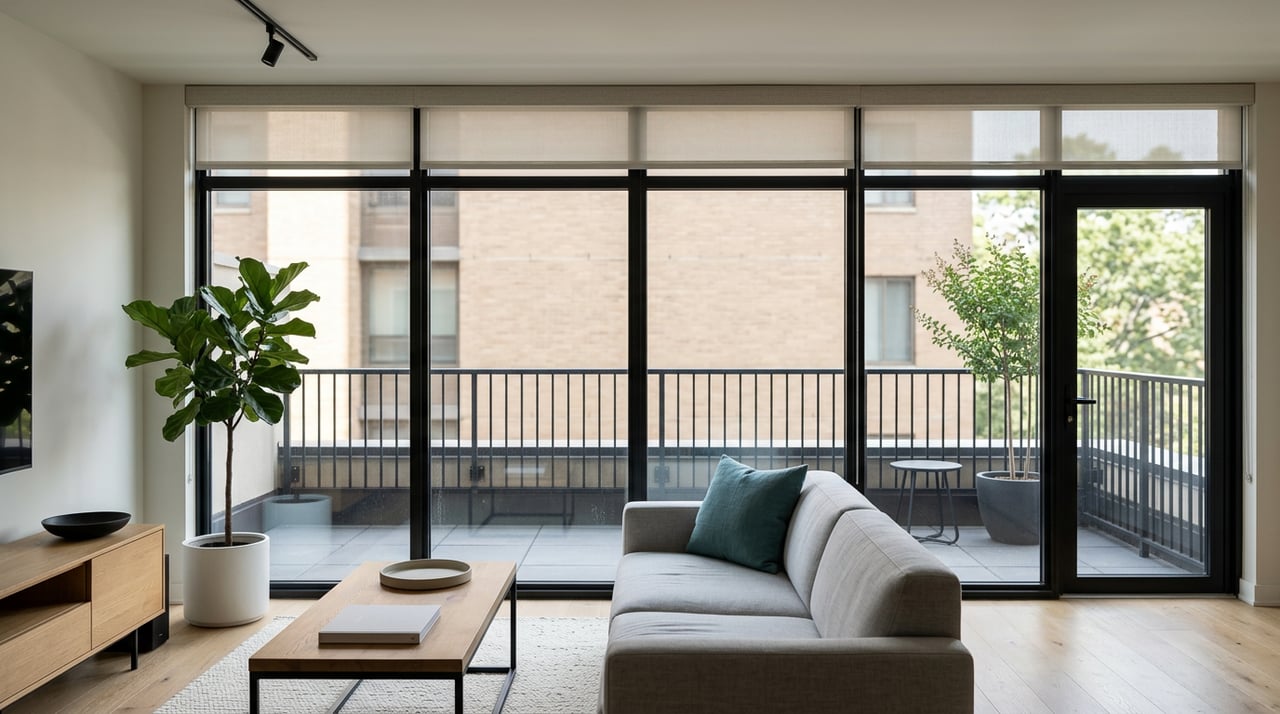
Balconies and terraces deserve special attention, especially in older high‑rises. Ask when balconies were last inspected and whether the association has addressed concrete spalling or railing concerns. If you see staining, cracking, or patched areas on the façade, talk with your inspector and consider a separate engineering review.
Pre‑offer packet: what to get upfront
If you are serious about a unit, ask the listing agent to start assembling the HOA packet before you write. At minimum, request:
- Current operating budget and recent financial statements.
- Reserve study or reserve schedule with last update date.
- Master insurance declarations and fidelity coverage if applicable.
- Last 12 months of board meeting minutes.
- Summary of any pending or recent special assessments.
- Estoppel or resale certificate that shows dues, balances, and any fees due at closing.
Early delivery shortens your timeline and reduces risk. See a helpful breakdown of these items in this association closing resource.
Offer structure that protects you
- HOA document review contingency. Reference Georgia’s seven‑day statutory window and align your contingency so you have time to read and ask questions. Add a buffer if you plan to consult an attorney.
- Home inspection contingency. Seven to ten days is common for condos. If the building has visible exterior wear or older systems, ask for association engineering reports or add time for a building engineer review.
- Financing and appraisal contingency. Confirm whether the project meets conventional or FHA/VA criteria before you commit. Use HUD’s condo lookup and have your lender screen the building for Fannie project standards in advance.
- Earnest money. In many Metro Atlanta condo transactions, a deposit around 1 percent of the purchase price is common, with higher amounts used in competitive situations. Calibrate to risk and local norms.
- Short‑term rentals. If you plan occasional rentals, review both the condo rules and the City of Atlanta framework. Updated policy discussions appear on the Atlanta City Council site. Many Midtown HOAs limit or prohibit short‑term rentals.
A 20‑minute due diligence routine
Use this quick routine when a new Midtown listing catches your eye:
- Map the walk to MARTA and daily spots you use. Check Walk Score and confirm your train line via the Midtown station page.
- Ask for the HOA budget, reserve study, insurance declarations, minutes, and estoppel. Use this association closing checklist as a guide.
- Email your lender the building name and address to confirm project eligibility under Fannie Mae’s review standards or FHA/VA if relevant.
- Verify parking details in writing. Confirm that the space is deeded, the number of spaces conveyed, and any guest rules.
- Book a condo‑experienced inspector and ask for any building‑level engineering reports. Start with this condo inspection overview.
Why work with The Hinsons
A Midtown condo is more than square footage and views. You want an advocate who reads HOA budgets like an underwriter, negotiates from data, and protects your time. Our team blends deep intown expertise with financial and inspection‑level insight so you can move fast without missing critical details. We help you secure the right unit, on the right terms, with a clean, financeable contract.
Ready to find your Midtown condo? Connect with The Hinsons for a focused game plan, vetted lender and inspector referrals, and negotiation that puts your interests first.
FAQs
What is the current median price for Midtown Atlanta condos?
- Recent reports place the Midtown condo median around $425,000, though values vary by unit type, building, and data source; use current comps and building‑specific price per square foot when you evaluate a listing.
How do HOA reserves impact loans on Midtown Atlanta condos?
- Many conventional loans follow Fannie Mae rules that look for at least 10 percent of annual assessments budgeted to reserves or a strong reserve study, which affects project eligibility and your ability to finance.
Are FHA loans available for Midtown Atlanta condos?
- Some buildings are FHA‑approved, others are not; check HUD’s condo lookup and ask your lender about single‑unit approval and the documentation the HOA must provide.
What should I verify about parking when buying a Midtown Atlanta condo?
- Confirm whether the space is deeded and recorded, how many spaces convey, any guest parking rules or fees, and options for a second space or monthly garage pass if you have two cars.
How long should I plan for condo due diligence in Georgia?
- Plan for 7 to 10 days for unit inspection and at least a seven‑day HOA document review window under state law, plus time for your lender to review the building’s eligibility before you remove financing contingencies.