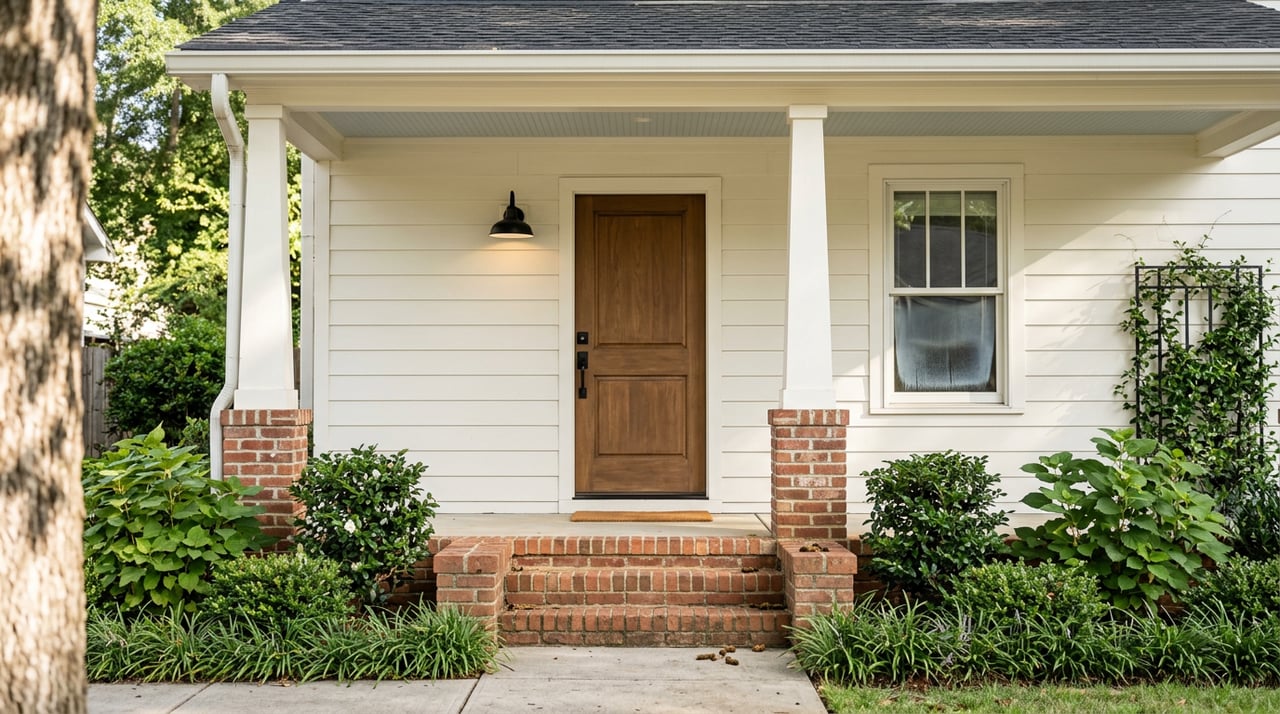
You love the charm of a front porch, the tree‑lined streets, and the easy walk to dinner. But with prices all over the place, you might be wondering if a Virginia‑Highland bungalow still makes sense in 2026. You want a home that feels right and holds value, or an investment that pays back without surprises. In this guide, you’ll see what the data says, how rents stack up, what renovations really cost, and a simple checklist to evaluate any bungalow with confidence. Let’s dive in.
What the data says in 2026
Prices: medians vs index
Recent sources tell a split story. The neighborhood’s monthly median sale price sits around $558,600 as of February 2026, and the market is very competitive with fast sales and thin inventory, according to Redfin’s Virginia‑Highland market page. At the same time, Zillow’s neighborhood index shows a higher typical value near $914,702 as of January 31, 2026, which reflects a smoothed trend rather than month‑to‑month swings (Zillow’s ZHVI for Virginia‑Highland).
Here’s how to read it. Monthly medians in a small, high‑demand neighborhood can jump when a few large new builds or major renovations close. The ZHVI helps you see the bigger picture. Use both to understand range, not a single point.
A two‑tier market to watch
Sales span from preserved or lightly updated bungalows in the mid six figures to multi‑million‑dollar new builds. That two‑tier mix creates upside for well‑located original bungalows, but it also makes pricing tricky if you compare against recent luxury closes. Ground your valuation in 3–12 month trends and very close‑in comps on similar homes, not just the latest headline number from a big sale on the Redfin page above.
Why buyers still choose VaHi
Walkability, parks, and the BeltLine
Virginia‑Highland is one of Atlanta’s most walkable neighborhoods, with a Walk Score around 77 and quick access to North Highland and Virginia Avenue retail, Piedmont Park, the BeltLine, and Ponce City Market. That combination supports long‑term owner demand and premium rents for quality homes in good condition. Check the area’s walkability on the Virginia‑Highland Walk Score page.
Lifestyle value beyond the front door
You get vibrant dining, year‑round events like Summerfest and Tour of Homes, and short trips to major intown hubs. For many move‑up buyers, those everyday benefits justify a premium over nearby alternatives.
Rental and investment picture
Rents: apartments vs bungalows
Apartment data for the neighborhood shows a median around $1,595, but that number reflects smaller units and studios, not single‑family homes (Zumper’s Virginia‑Highland rent overview). In practice, renovated 3‑bed bungalows often ask in the $3,000 to $5,000+ range, with recent examples above $4,000 per month, as seen in individual listings such as this Virginia‑Highland single‑family example on Zillow. Always compare like with like when sizing rent.
Virginia‑Highland also reflects a balanced owner and renter presence at the zip‑code level, so demand comes from both long‑term residents and professionals who prefer to rent. That mix supports a buy‑and‑hold strategy, though cap rates will usually trail more suburban targets where purchase prices are lower.
Example cap rate math at a glance
Here is a simplified snapshot based on conservative assumptions used in local research:
- Purchase price: $558,600 (recent Redfin median).
- Rent: $3,500 per month for a renovated 3‑bed bungalow, or $42,000 per year.
- Typical operating inputs: vacancy 5 percent, management 8 percent, maintenance 5 percent, property taxes estimated near 0.91 percent of value, and typical insurance costs.
On these inputs, the illustrative net operating income lands near $28,000, which implies a cap rate around 5 percent. Treat this as a starting point. Your actual results will depend on your specific property’s rent potential, tax bill, and maintenance needs.
Who VaHi works for
- Move‑up owners: You are buying lifestyle and long‑run value. Limited supply, walkability, and proximity to parks support holding 7 to 10 years or more.
- Small investors: Treat Virginia‑Highland as an appreciation and renovation play rather than a high‑yield cash‑flow buy. Expect lower headline cap rates than value‑oriented suburbs. Competition from active investors in the Atlanta metro can also keep acquisition prices tight. A recent federal review highlights elevated institutional investor activity across parts of Atlanta, which adds to the competition for well‑located homes (GAO report on SFR investors).
Renovation realities of 1920s–30s bungalows
Common updates and likely ROI
The highest‑value projects for most bungalows are often the most practical: minor kitchen refreshes, midrange bath remodels, HVAC upgrades, energy efficiency improvements, and exterior curb‑appeal work. The 2025 Cost vs. Value report lists national midrange benchmarks like a minor kitchen remodel at about $28,458 with roughly 113 percent of cost typically recouped, and a midrange bath at about $26,138 with around 80 percent recouped. Use these as order‑of‑magnitude guides while tailoring scope to Virginia‑Highland buyer expectations (2025 Cost vs. Value).
Typical big‑ticket fixes to budget
Many 1920s bungalows need mechanical or structural updates. Whole‑house rewiring, where required, often ranges from roughly $5,000 to $30,000 depending on size and access, especially if plaster repair is involved (CostHelper rewiring overview). Roof replacements on a typical bungalow can run in the five‑figure range depending on complexity. Crawlspace or pier‑and‑beam foundation work can cost a few thousand dollars for modest leveling to $8,000 to $30,000 or more for substantial underpinning. Get quotes early and budget conservatively.
Historic fabric and teardown dynamics
Virginia‑Highland’s housing stock is largely 1910s to 1930s bungalows. Parts of the neighborhood are within the Virginia‑Highland Historic District on the National Register, which recognizes historic character. National Register status does not itself prevent demolition. Local overlays and permitting rules are what govern changes or teardowns, and builders remain active in intown Atlanta. That creates a two‑track market: well‑executed renovations or new builds at a premium, and original bungalows that trade at a discount to remodeled comps. If your goal is to hold and improve a bungalow, study the local rules before you plan additions or exterior changes (Virginia‑Highland overview).
Street and pocket value drivers
Micro‑location matters. Homes on calmer streets with strong curb appeal and convenient access to the retail nodes and parks often command higher premiums. Some pockets like Highland Terrace or Lanier Boulevard can trade at the top of the neighborhood range. Parking is scarce in many spots; off‑street parking can be a real value add. When you tour, note traffic patterns, slope, tree cover, and the condition of nearby homes.
Buyer and investor checklist
Use this quick framework to size value and risk on any Virginia‑Highland bungalow:
- Price context. Compare against a 3–12 month trend and very close‑in comps, and review both the MLS‑based median and the smoother index trend for a full picture. Start with Redfin’s neighborhood page and cross‑check ZHVI.
- Lot and rebuild value. Confirm lot size, zoning, potential building envelope, and any overlay or tree restrictions before pricing teardown or addition scenarios.
- Structural and systems. Inspect roof, foundation, and electrical. Look for older panels and legacy wiring. Budget on the high side for rewiring and possible foundation piers if needed (rewiring cost basics).
- Beds and baths. If the home is short on bathrooms, adding one can improve value. Use realistic permit and plumbing estimates, and rely on the Cost vs. Value guide to prioritize projects with higher resale recoup.
- Parking and curb appeal. Off‑street parking is scarce in VaHi and can command a premium. Fresh exterior work and minor kitchen and bath updates often provide strong return relative to cost.
- Rental comps. Pull 6–12 recent single‑family rental comps. Do not rely on apartment medians. Zumper helps with apartment context, but single‑family comps should drive your rent estimate (Zumper neighborhood rents).
- Taxes and insurance. Verify Fulton County, City of Atlanta, and APS millage. Compute actual bills using assessor records and reference tools like PropertyShark’s Fulton County taxes overview. Older homes can have higher insurance costs; get quotes tied to the address and coverage level.
Bottom line: Are VaHi bungalows still a smart buy?
If you plan to live in the home and hold long term, a Virginia‑Highland bungalow still makes strong sense. Limited inventory, walkability, and proximity to parks and the BeltLine support value over time. If you are a small investor seeking cash flow, treat VaHi as an appreciation and renovation play rather than a high‑yield rental. Cap rates will usually be lower than suburban options, so careful underwriting and a thoughtful renovation plan matter.
Ready to evaluate a specific bungalow or compare pockets inside Virginia‑Highland? We can help you model the numbers, pressure‑test renovation scope, and negotiate with confidence. Connect with The Hinsons to get tailored advice or to start with our Get Your Free Home Valuation.
FAQs
What should a Virginia‑Highland buyer know about price trends in 2026?
- Use both the monthly median and the Zillow index to understand the range, since small monthly sample sizes and occasional luxury sales can swing medians (Redfin neighborhood data and Zillow’s ZHVI).
How do Virginia‑Highland bungalow rents compare with apartments?
- Apartment medians around $1,595 reflect small units, while renovated 3‑bed bungalows often ask $3,000 to $5,000+ per month; always use single‑family comps, not apartment medians (Zumper and a recent Zillow example).
What renovation projects typically pay back best in VaHi?
- Minor kitchen updates, midrange bath remodels, and curb‑appeal work tend to recoup the highest share of cost at resale based on national benchmarks, with scope tailored to local buyer expectations (2025 Cost vs. Value).
What big‑ticket repairs are common in 1920s bungalows?
- Electrical upgrades, roof replacements, and crawlspace or pier‑and‑beam foundation work are frequent; rewiring alone can range from about $5,000 to $30,000 depending on access and finish repairs (rewiring cost basics).
Do historic rules limit what I can change on a VaHi bungalow?
- National Register recognition denotes historic character, but local overlays and permitting rules determine exterior changes or teardowns, so confirm what is allowed before planning additions (Virginia‑Highland overview).