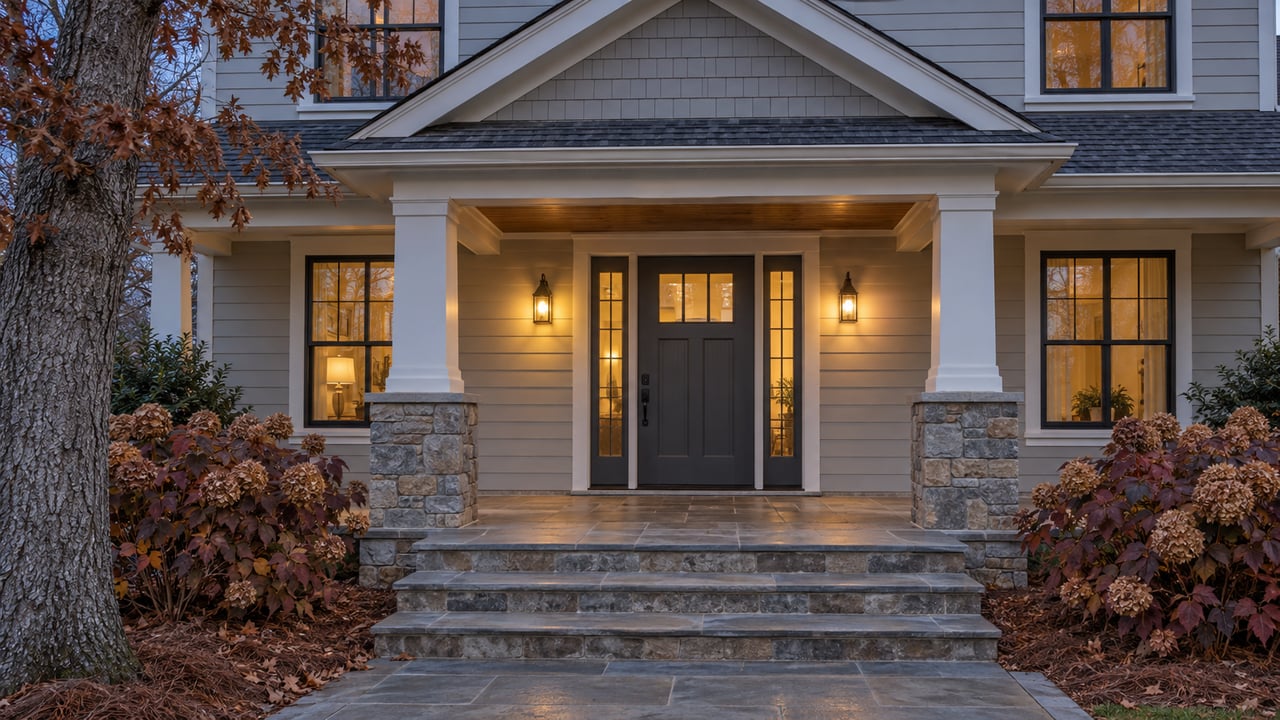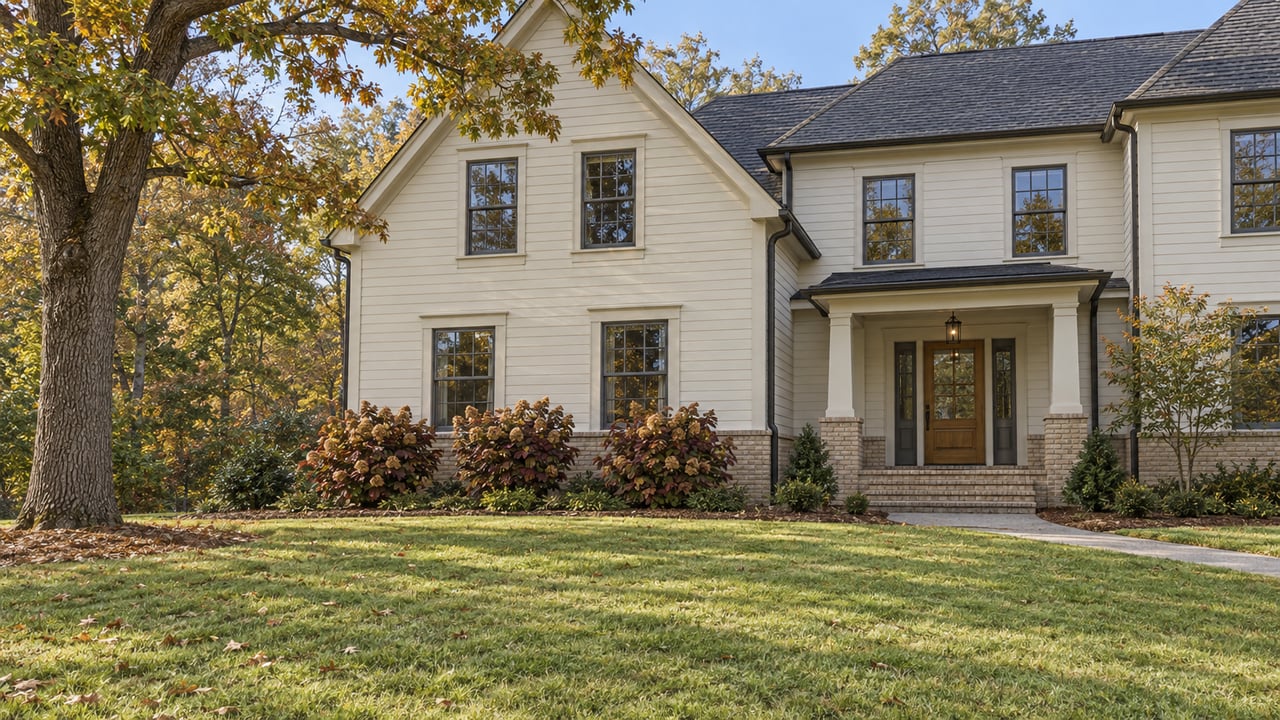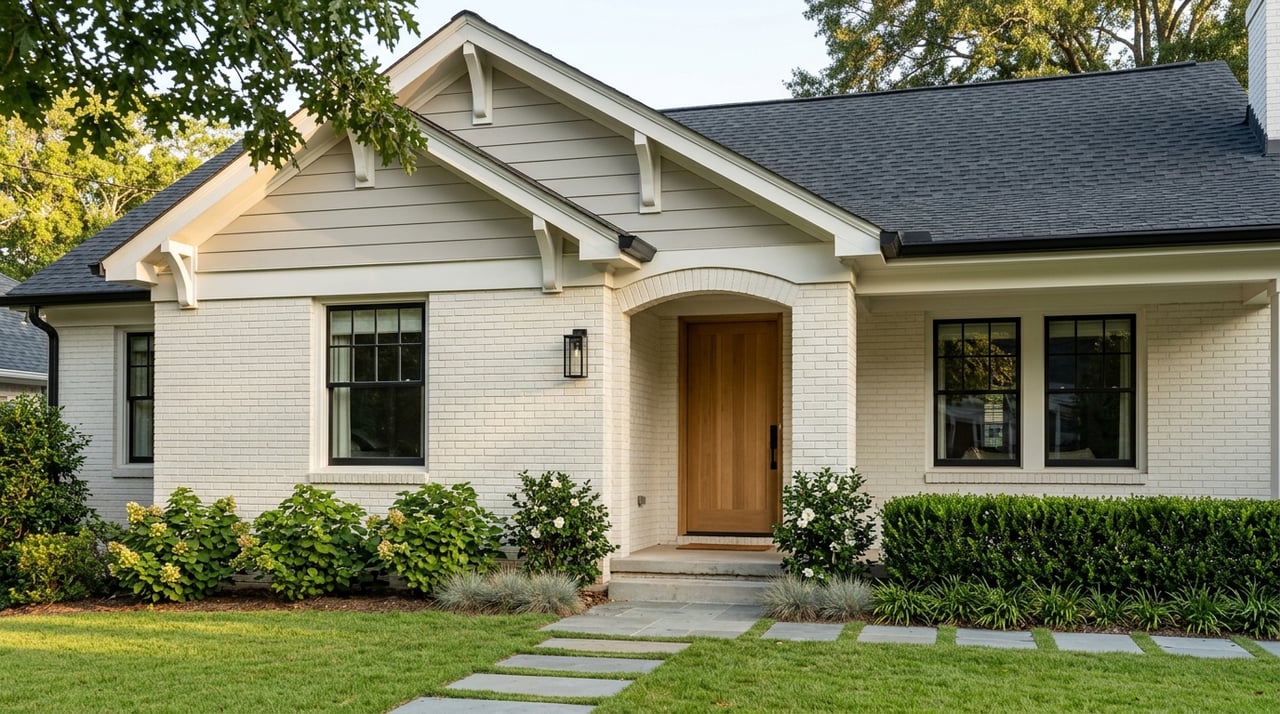
If you have ever driven through Morningside/Lenox Park and thought, "Why do these streets feel so distinctive?" the answer is not just one look or one era. This neighborhood’s charm comes from a layered mix of home styles, mature trees, parks, and thoughtful street rhythm that give the area a strong architectural identity. If you are buying, selling, or simply trying to better understand the homes here, knowing the defining styles can help you read the neighborhood with more confidence. Let’s dive in.
How Morningside/Lenox Park Developed
Morningside/Lenox Park grew from farms and early institutional sites into a more defined residential neighborhood over time. Local history points to pre-1920s places like Easton, Kimballville Farm, the Rock Spring school and church site, and Lanier University as part of the area’s earliest story.
By the 1930s, development expanded into subdivisions including Noble Park, Johnson Estates, Hylan Park, and Lenox Park. That era left a major mark on the neighborhood’s streetscape, and it still shapes how many blocks look today.
Just as important, the neighborhood is known for mature trees, parks, landscaped traffic islands, and connected greenspace. In Morningside/Lenox Park, curb appeal is not only about the house itself. It is also about setbacks, shade, and how the home sits on the lot.
Why Style Looks Different Here
When you look at homes in Morningside/Lenox Park, it helps to separate house type from style. Georgia preservation guidance explains that type refers to the overall form and floor plan, while style refers to the exterior design details and composition.
That matters here because two homes may have similar size or layout but feel completely different from the street. Rooflines, porches, masonry, windows, and detailing all shape how a house reads in this neighborhood.
Tudor Homes Lead the Streetscape
If there is one style that stands out most in Morningside/Lenox Park, it is Tudor eclectic. The neighborhood walking tour notes that Tudor eclectic styles dominate much of the residential architecture, and local timeline materials tie Tudor-style homes to 1930 development in Noble Park, Johnson Estates, and Hylan Park.
How to spot a Tudor home
Tudor homes often feature:
- Brick-heavy exteriors
- Front-facing gables
- Prominent chimneys
- Casement windows
- Patterned brick or stonework
- Occasional half-timbered detailing
These details create a more formal and vertical look from the street. Compared with other styles, Tudor homes often feel more composed and visually dramatic, especially when paired with mature trees and established landscaping.
Why Tudor matters to buyers and sellers
For buyers, Tudor homes often stand out for their strong curb presence and classic architectural character. Even when interiors have been updated, the exterior usually keeps a clear sense of age and design intent.
For sellers, that distinct front elevation can be a major asset. Original masonry, roof form, and window proportions often help a Tudor home make a memorable first impression.
Craftsman Homes Add Warmth and Scale
Craftsman homes are another important part of the neighborhood’s architectural story. Across Georgia, Craftsman bungalows were especially popular from the 1910s through the 1930s, and local planning materials reference Craftsman bungalow character as part of the neighborhood’s design language.
How to spot a Craftsman home
Common Craftsman features include:
- Low-pitched gabled roofs
- Wide eaves
- Exposed rafters
- Tapered square porch supports
- Porch-forward design
- Functional, human-scaled proportions
In Morningside/Lenox Park, these homes often feel closely tied to the lot and tree canopy. Their front porches and lower profiles give them a relaxed street presence that fits naturally into shaded, walkable blocks.
Why Craftsman homes appeal
Craftsman homes often appeal to buyers who value visible detailing and a more approachable scale. They can feel especially welcoming from the street because the porch is such a central part of the design.
For sellers, preserving that porch-forward character is often key. Small details like support columns, eaves, and original proportions do a lot of work in keeping the home’s identity intact.
Ranch and Split-Level Homes Tell the Midcentury Story
Not every defining home in Morningside/Lenox Park comes from the earlier revival era. Midcentury ranch and split-level homes also play a meaningful role in the neighborhood, and local walking tour materials point to ranch redos and conversions as part of the area’s evolving housing story.
How to spot a ranch or split-level home
Ranch and split-level homes often include:
- One-story or partially split-level form
- Long, broad footprint
- Overhanging eaves
- Large picture windows
- Strong indoor-outdoor connection
- More casual, postwar layout
These homes usually read as lower, wider, and less formal than Tudor or Craftsman houses. Their design often supports easier circulation and a more open relationship between interior living areas and the yard.
Why midcentury homes matter
For buyers, midcentury homes can offer practical livability. Single-level circulation, broad footprints, and larger windows often make them feel functional and comfortable in a different way than older revival homes.
For sellers, these properties often tell a story of adaptation. In this neighborhood, ranch homes are often part of a layered streetscape, not a separate design pocket, so thoughtful updates usually matter more than trying to force a different architectural identity.
The Landscape Shapes the Architecture
One of the most important things to understand about Morningside/Lenox Park is that the neighborhood experience is not defined by architecture alone. The area includes more than 20 parks, preserves, landscaped traffic islands, and greenspaces, and it is widely known for stately, mature trees.
That means a home’s setting is a big part of its appeal. A Tudor with strong masonry, a Craftsman with a deep porch, or a ranch with broad windows all read differently when framed by canopy, setbacks, and established landscaping.
For buyers, this helps explain why homes here often feel visually calm and grounded. For sellers, it is a reminder that lot presentation matters almost as much as the house itself.
What Thoughtful Infill Looks Like
Morningside/Lenox Park is not frozen in time. The neighborhood continues to evolve, and local planning conversations have emphasized walking and biking safety, neighborhood character, and thoughtful infill.
Public comments gathered for the neighborhood master plan called for Craftsman bungalow style, careful placement of infill, and protection of neighborhood character. That tells you something important: compatibility is a local expectation.
What makes new construction fit in
The best new construction in a setting like this usually respects:
- Existing massing
- Scale of nearby homes
- Front setbacks
- Street rhythm
- Primary front elevation patterns
- Tree canopy and site design
The goal is not to copy older homes detail for detail. A compatible house should feel appropriate to the block without creating a false historic look.
Why trees matter in design decisions
In this neighborhood, site design is part of architectural fit. Local neighborhood guidance notes concerns about developers removing too much canopy during new construction or renovation.
That is why the most successful projects usually do more than match roof pitch or materials. They also work with the landscape and preserve the green setting that defines so much of the neighborhood’s character.
What Buyers Should Notice First
If you are touring homes in Morningside/Lenox Park, a few visual cues can quickly tell you what style you are seeing and how it may live day to day. Looking closely at these details can also help you compare homes more clearly.
Key details to watch
Focus on:
- Porch depth
- Roof pitch
- Masonry or wood detailing
- Window proportions
- How the house meets the yard
These cues often explain the home’s personality. They help a Craftsman feel relaxed, a Tudor feel more formal, and a ranch feel casual and low-slung.
What Sellers Should Keep in Mind
If you own a home in Morningside/Lenox Park, the strongest design story is usually preservation paired with sensible updates. Buyers often respond well when original forms remain clear and improvements support how the house already wants to live.
That usually means avoiding oversized additions that overpower the street-facing elevation. Rear or side additions tend to work better when they remain visually subordinate to the original house.
For many homes here, presentation also means highlighting both architecture and setting. Thoughtful staging, clean sightlines, and strong exterior preparation can help buyers appreciate not only the house style but also its relationship to the lot, trees, and streetscape.
If you are thinking about positioning a Morningside/Lenox Park home for the market, working with a team that understands architecture, presentation, and neighborhood context can make a real difference. The Hinsons bring local market knowledge, polished staging insight, and strategic guidance to help you showcase what makes your home stand out.
FAQs
What architectural style is most common in Morningside/Lenox Park?
- Tudor eclectic is one of the most visually dominant styles on many residential blocks, with Craftsman and midcentury ranch homes also contributing to the neighborhood’s identity.
How can you identify a Craftsman home in Morningside/Lenox Park?
- Look for a low-pitched gabled roof, wide eaves, exposed rafters, tapered porch supports, and a porch-forward design.
How can you recognize a Tudor home in Morningside/Lenox Park?
- Tudor homes often have brick-heavy exteriors, front gables, prominent chimneys, casement windows, and patterned masonry or half-timbered details.
What defines a ranch home in Morningside/Lenox Park?
- Ranch homes typically have a broad footprint, lower profile, overhanging eaves, large windows, and a more casual indoor-outdoor layout.
What helps new construction fit into Morningside/Lenox Park?
- New homes tend to fit best when they respect neighborhood scale, massing, setbacks, street rhythm, and tree canopy rather than copying historic details too literally.
Why do trees matter so much to Morningside/Lenox Park home character?
- Mature trees, parks, and greenspace are a major part of the neighborhood’s visual identity, so the landscape plays a big role in how each home is experienced from the street.